
AI for logistics
Forecasts and routinginside the ERP that already runs the business
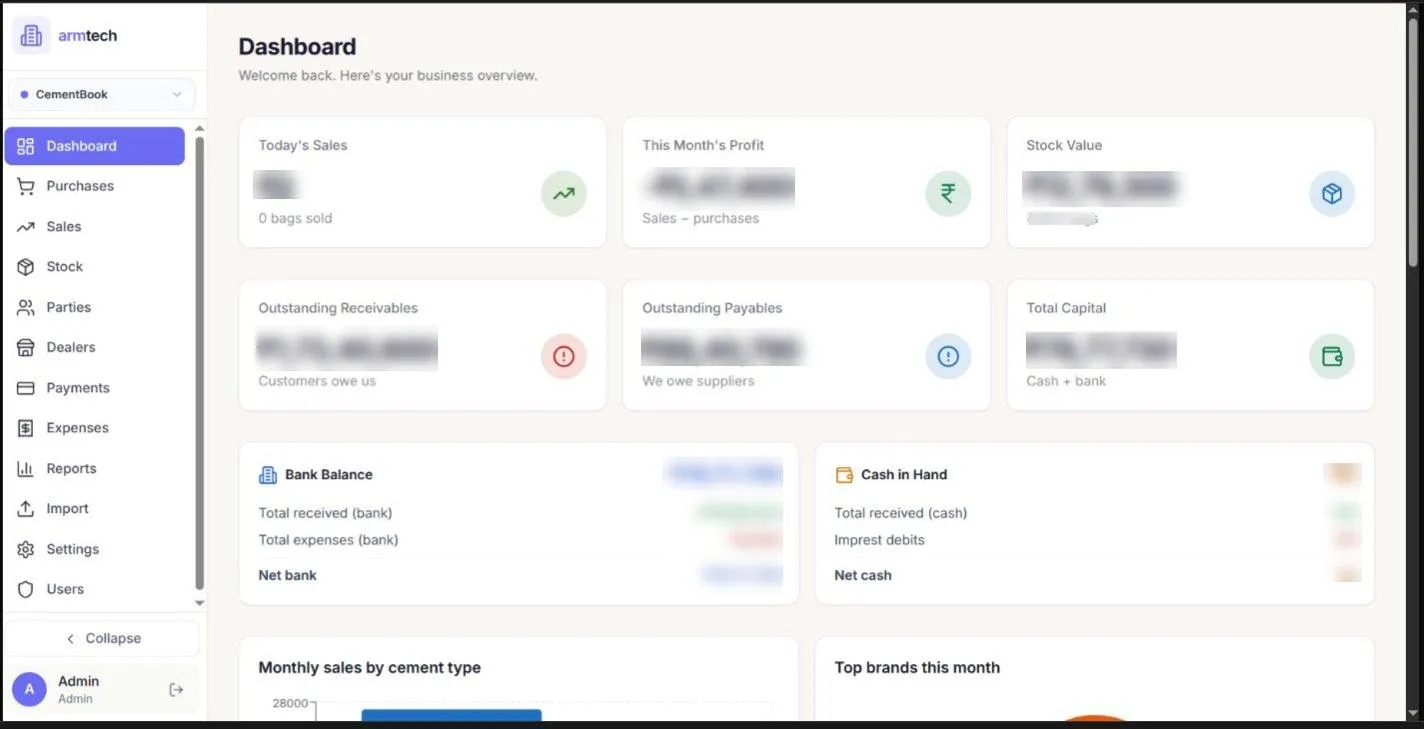
We shipped five deep-learning modules into a trade and logistics ERP on one pipeline: demand, price, and risk signals delivered where the buyer is already working.
500+
Projects delivered
most under NDA
100+
Clients served
BR · AU · IN · US · EU
20
Systems live
in production now
0
Account managers
you talk to the engineer
What we build
The work itself,component by component
Demand forecasting
Sequence models per SKU and lane, with confidence bands the planner can read.
Price and cost prediction
Trained on your transaction history rather than an index nobody trades on.
Route and load optimisation
Constraint solving over your real fleet, windows, and capacities.
Shipment risk scoring
Delay probability with the contributing factors exposed.
Document automation
Invoices, packing lists, and customs paperwork parsed into typed records.
ERP integration
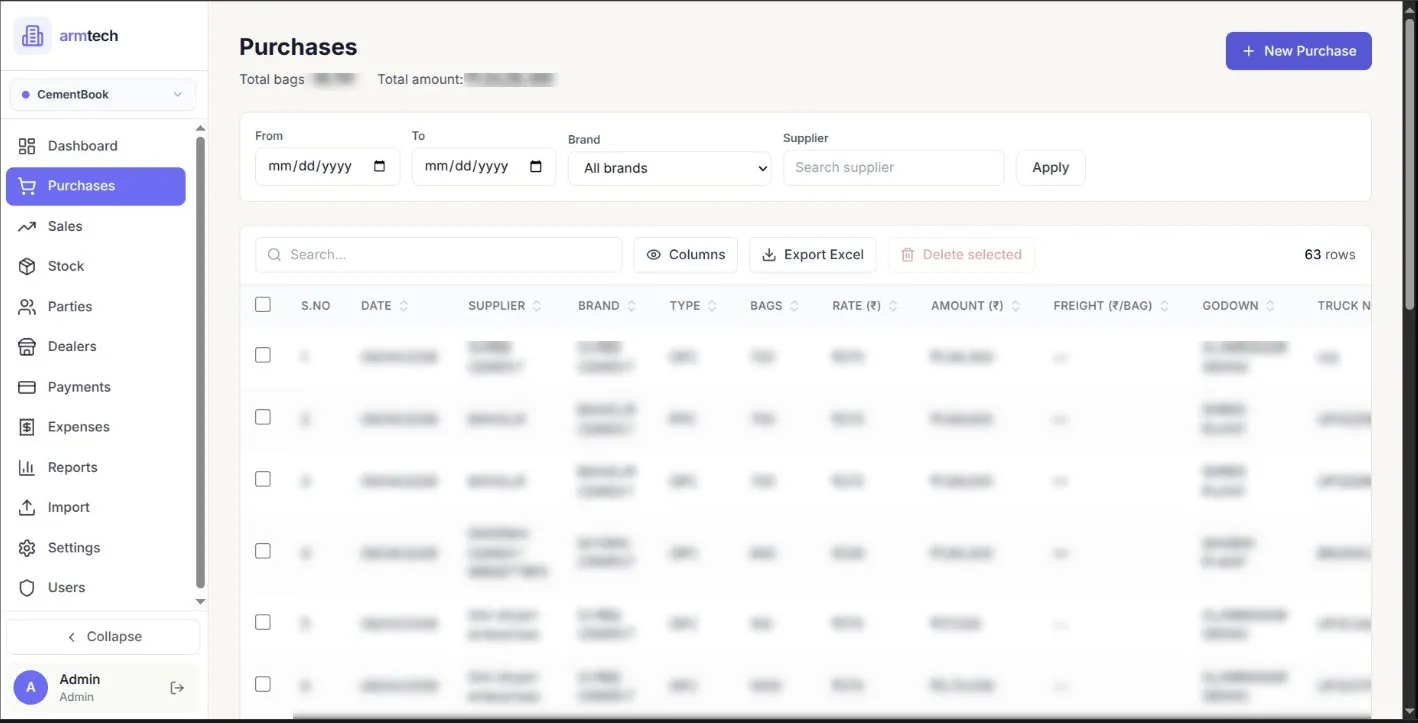
Predictions delivered inside the existing screens, not in a separate portal.
Why it matters
What changesonce it is running
Three things a buyer of this work should be able to hold us to.
One pipeline, five modules: Shared feature engineering means the sixth model costs a fraction of the first.
Acted on: The number appears in the purchasing screen, so it changes an order.
Explainable: Contributing factors ship with the prediction so a planner can override with reason.
Stack we use for this
- Python
- PyTorch
- pandas
- Airflow
- PostgreSQL
- Docker
How it runs
Four stages,and you can leave after any of them
Scope
We agree what the system does and what shipping means, in writing.
Build
Short cycles in your repository, running before it is finished.
Ship
Deployed into your cloud account, reachable by a real user.
Stay
Maintenance and roadmap by the same engineers who built it.
Proof
The systemsthat back this page

FAQ
Questionswe get asked
Does this replace our ERP?
No. It integrates into it: that is the whole point of the ARM Tech build.
How much history do you need?
Enough to cover your seasonality. We assess that against your actual data before committing.
What if the forecast is wrong?
Confidence bands and factor attribution are shown so a planner can override it knowingly.
AI for logistics